Phone:+86 18006184440 Email: wxyouwei@gmail.com Luoshe Town, Wuxi, Jiangsu, China
Today, Youwei will provide some insights on how to choose the right power for electric bike motors, be it 400W, 800W, or 1200W. As we are making the most important part in the whole electric vehicle: stator and rotor, also known as iron core. https://wxyouwei.com/how-to-choose-power-for-electric-bikes-400w-800w-or-1200w-insights-from-youwei-electric-vehicle-expert/
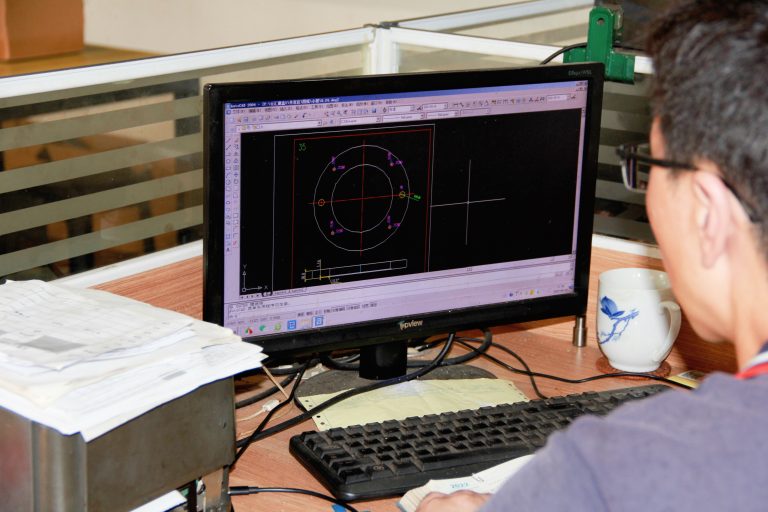
Are you looking to elevate the performance of your machinery and take it to the next level? Custom Stator Rotor Manufacturing is the solution you’ve been searching for. In this article, we’ll delve into the world of custom stator rotor manufacturing and explore how you can order custom stator rotors online to enhance your machinery’s…
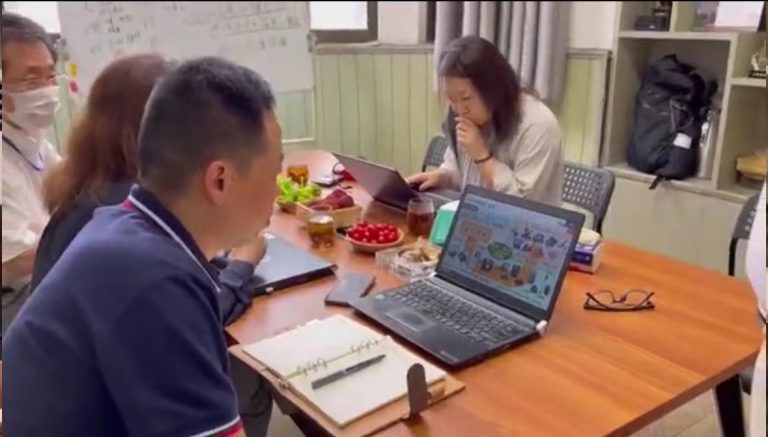
In a world of global business partnerships and cross-border collaborations, a recent visit from a distinguished Japanese electric motor factory to Youwei in Wuxi, China, unveiled the potential for a mutually beneficial relationship between the two nations. This visit not only showcased Youwei’s manufacturing capabilities but also shed light on the advantages of sourcing iron…
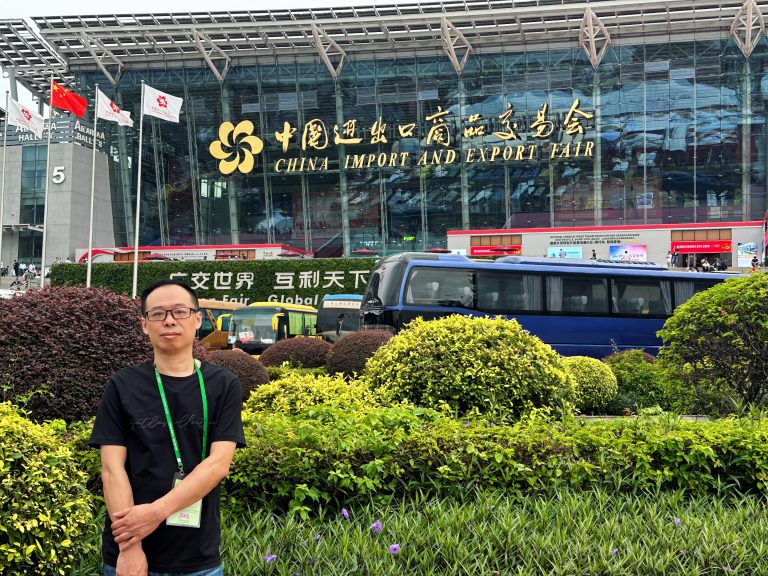
In a world that’s increasingly interconnected, businesses of all sizes are looking for opportunities to expand their reach beyond their domestic borders. The 134th Canton Fair proved to be a turning point for one ambitious stator-and-rotor manufacturer – YouWei attended the event. We left the fair with newfound knowledge, a global vision, and the unwavering…
Introduction Linear motors are electromechanical devices that convert electrical energy into linear motion without the need for intermediate rotary motion. They are widely used in various applications, from industrial automation to transportation and robotics. A critical component of many linear motors is the iron core, which plays a significant role in the motor’s performance and…
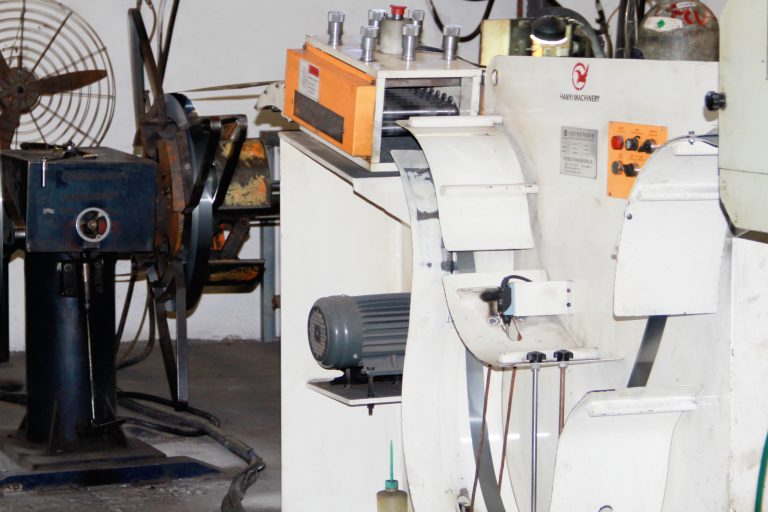
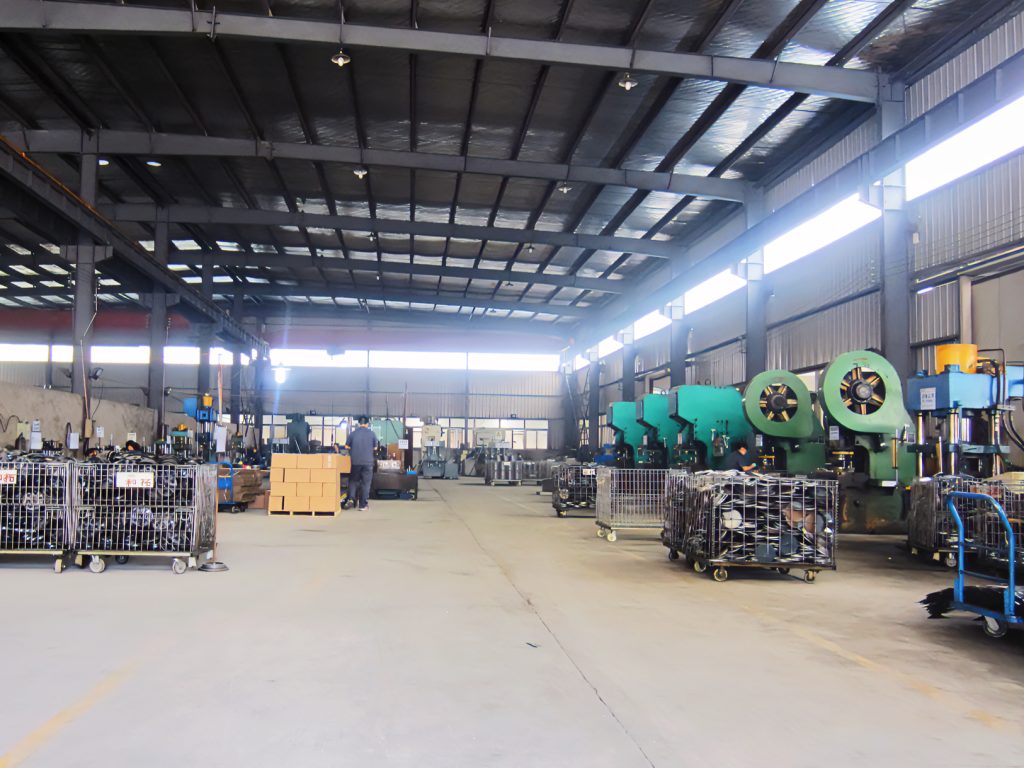
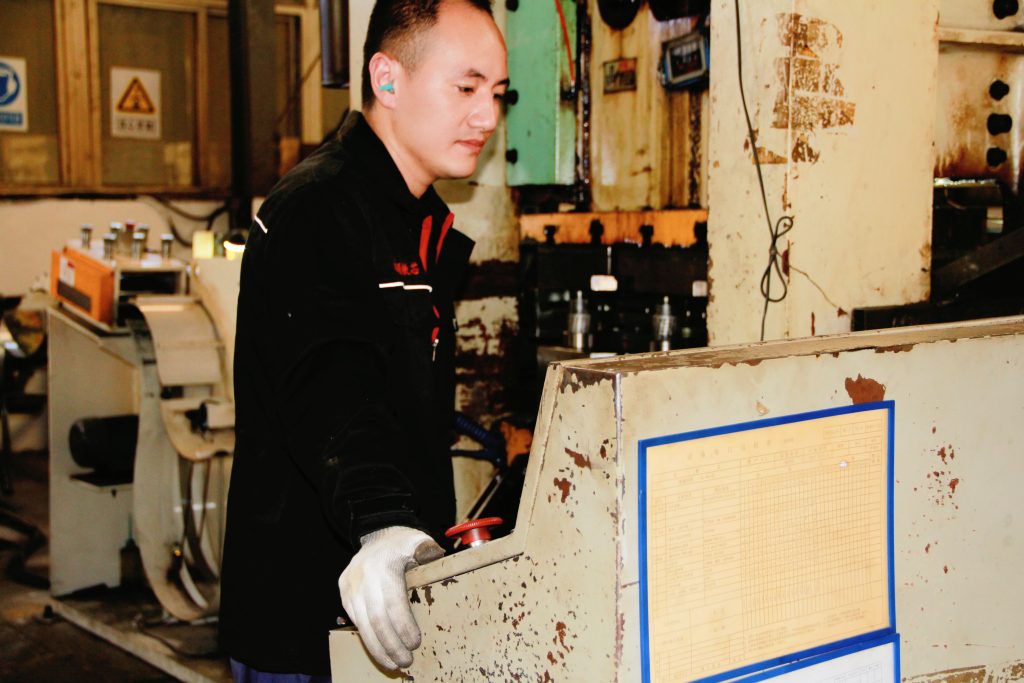
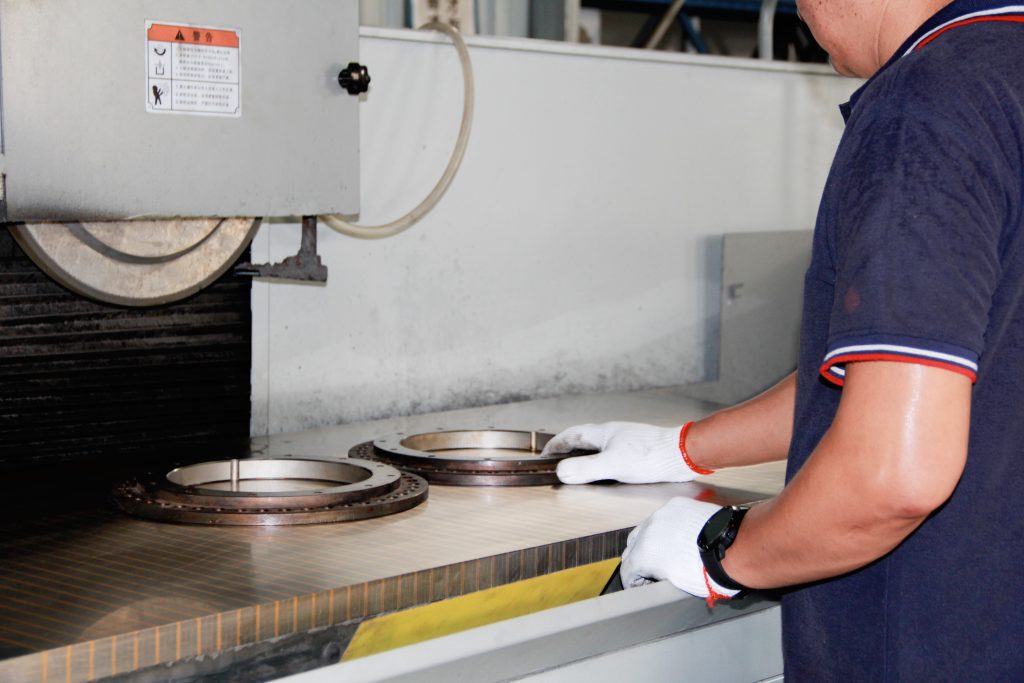
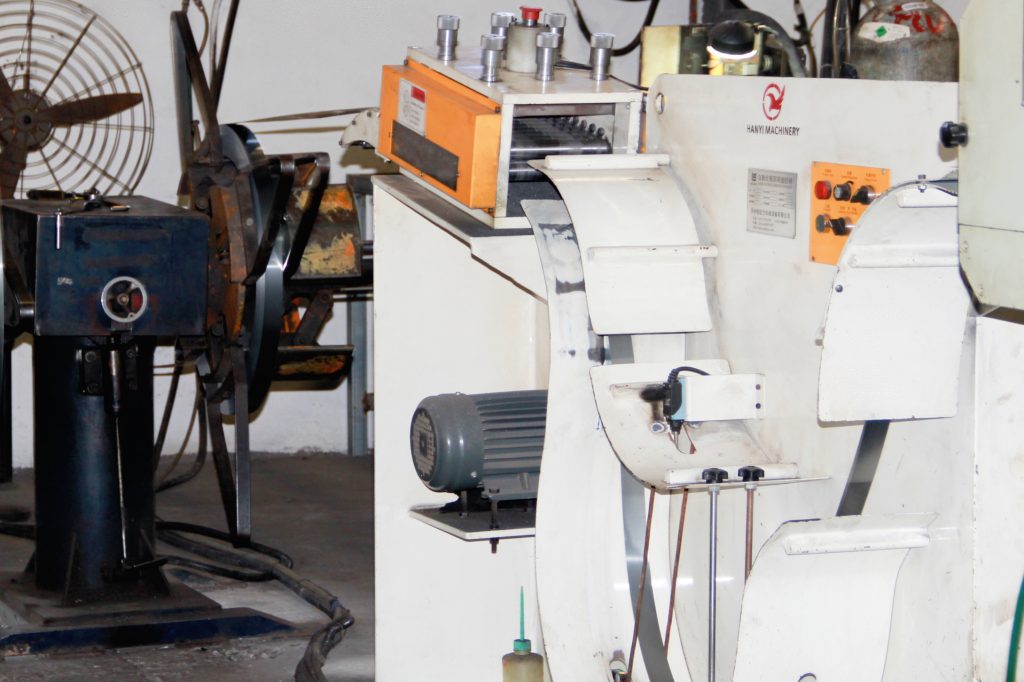
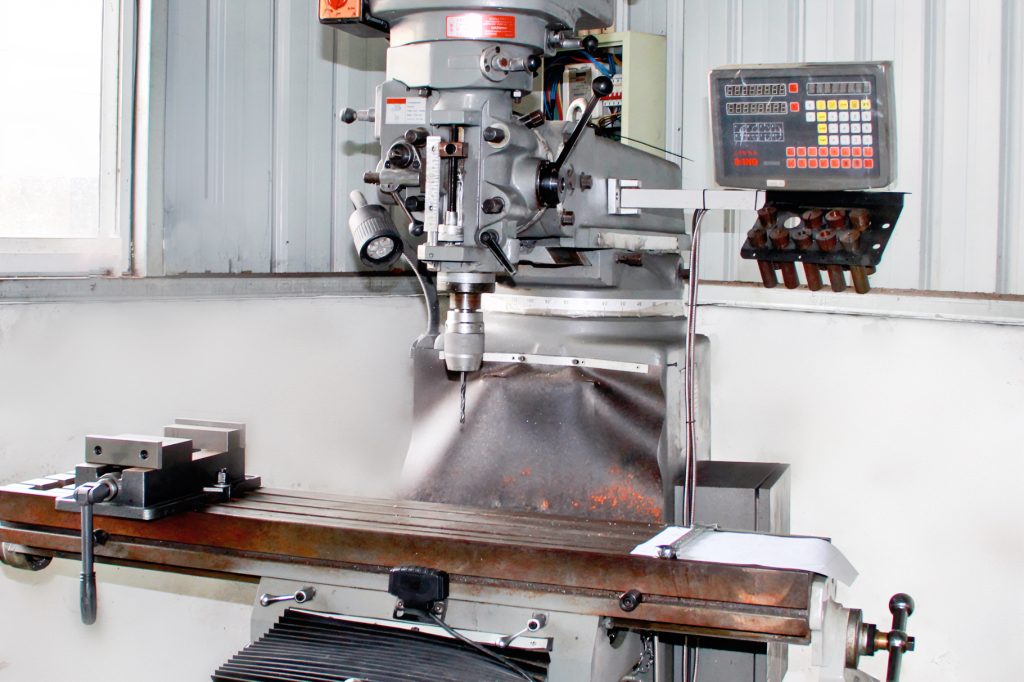
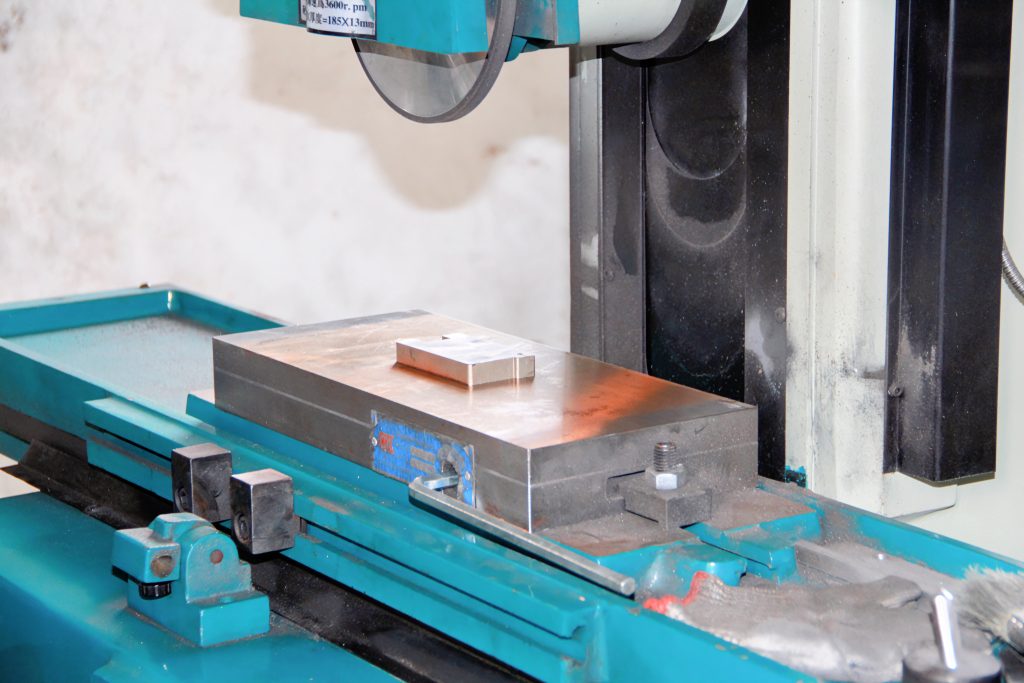
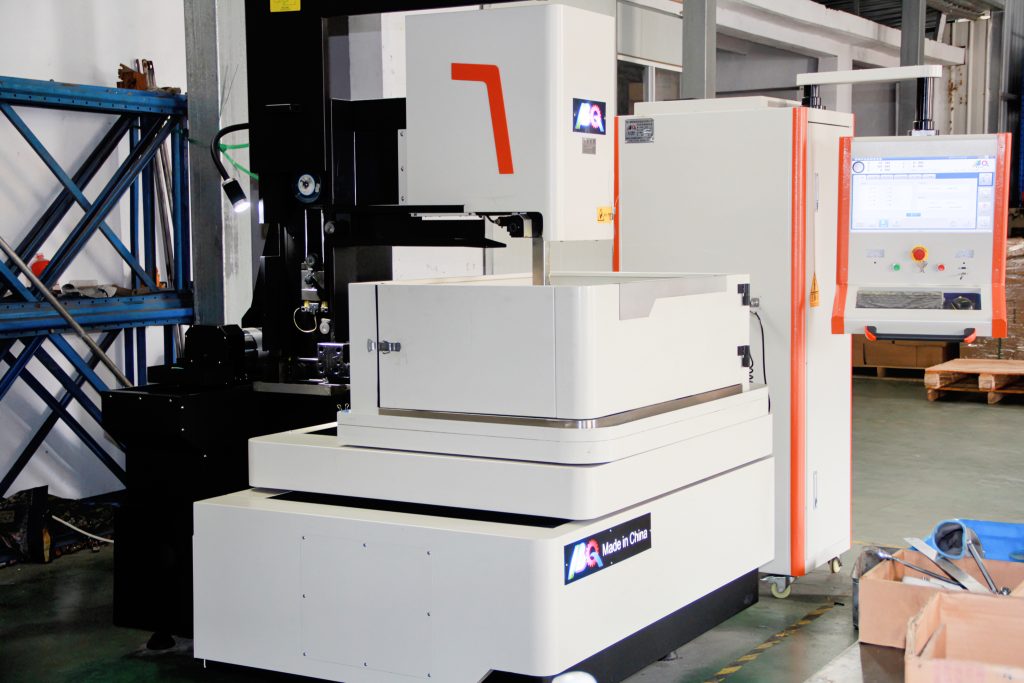
Yes, recent breakthroughs include the development of superconducting materials and advancements in automation and robotics for more precise manufacturing. Access Now: https://wxyouwei.com/product-category/product/ We use the most suitable materials to meet clients’ needs and requirements. In our factory, we have automatic machines to keep work efficiency.